

Looking to register your car in California? This guide will walk you through the process step-by-step. First, understand the state’s car registration requirements, which include providing proof of insurance and paying associated fees. Gather essential documents for DMV VIN verification, ensuring your vehicle’s unique identifier is accurate. Schedule a visit, prepare necessary forms, and complete the VIN check. Finally, submit your application and settle all required fees to legally register your vehicle in California.
- Understand California Car Registration Requirements
- Gather Necessary Documents for VIN Verification
- Schedule and Prepare for DMV Visit
- Complete Vehicle Identification Number (VIN) Check
- Submit Application and Pay Fees
Understand California Car Registration Requirements

Before registering your car in California, it’s crucial to understand the state’s specific requirements. The California Department of Motor Vehicles (DMV) mandates several key steps for new and used vehicle registration, including a thorough inspection process that involves both a visual check and a vin inspection. This verification ensures that your car meets safety and emissions standards.
For added convenience, many drivers opt for mobile vin verification services provided by specialized mobile vin verifier companies. This alternative approach allows you to complete the necessary documentation and vin inspection from the comfort of your home or workplace, streamlining the registration process.
Gather Necessary Documents for VIN Verification
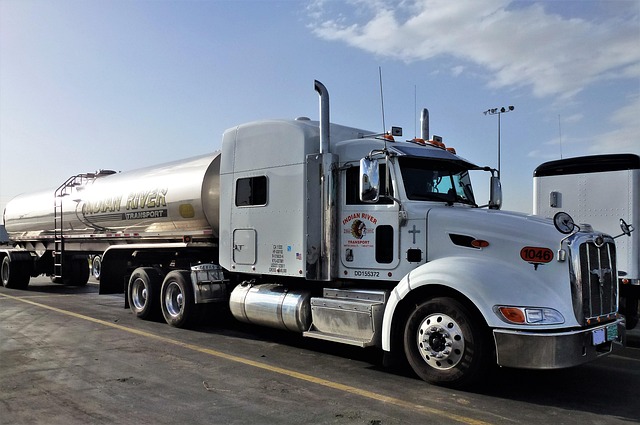
Before you begin the registration process in California, it’s crucial to gather all necessary documents for the DMV VIN (Vehicle Identification Number) verification. This step is a critical part of ensuring your car’s history and authenticity are accurately checked. You’ll need your vehicle’s registration from the previous state, a valid driver’s license, proof of insurance, and a completed DMV form for title transfer or new registration. Additionally, have your vehicle’s VIN readily available—this unique identifier can be found on the vehicle’s certificate of origin or the label on the driver’s side door jamb.
For a streamlined process, consider using a mobile vin inspection or mobile vin verifier service. These services offer convenient and often faster alternatives to traditional DMV procedures by providing on-site or remote vin verification. This is especially beneficial if you’re new to the area or have had recent changes in your vehicle’s ownership history. Ensure these services are reputable and approved by the California DMV to avoid any potential issues during registration.
Schedule and Prepare for DMV Visit

Before heading to the DMV, it’s crucial to prepare for your visit to ensure a smooth process. Start by scheduling an appointment online to avoid long waiting times. Gather all necessary documents, including proof of insurance, registration from the previous state (if applicable), and identification with a valid signature. If you’re transferring a vehicle from out of state, be prepared for additional paperwork. Consider using a mobile vin inspection service to verify your vehicle’s history and condition before your visit, as this can save time at the DMV and help ensure accuracy during the registration process.
On the day of your appointment, double-check that you have all required documents, including a valid driver’s license or state ID. Remember to bring your vehicle for inspection—the DMV will perform a vin verification to cross-reference details against their records. This step is essential to ensure compliance with California’s regulations and prevent fraud. Be sure to arrive early, as waiting times can vary, and bring any required fees to expedite the registration process.
Complete Vehicle Identification Number (VIN) Check

To begin the car registration process in California, a complete Vehicle Identification Number (VIN) check is essential. This step involves verifying the vehicle’s history and ensuring it meets all legal requirements. You can conduct this VIN inspection through various means, including a mobile vin verification service or by visiting a DMV office. The latter allows for an in-person dmv vin verification, where you’ll be required to present relevant documents and undergo a thorough check.
A mobile vin verifier is another convenient option, as it allows you to complete the process from the comfort of your home or on the go. Using a reliable mobile vin inspection tool, you can quickly gather the necessary information about the vehicle’s past, such as ownership history, accident records, and outstanding recalls, all while ensuring that the VIN number is legitimate and matches the vehicle accurately.
Submit Application and Pay Fees

After gathering all the necessary documents and ensuring your car meets California’s requirements, it’s time to submit your application for vehicle registration. This process involves a series of straightforward steps, beginning with completing the appropriate form. You can either do this online through the DMV website or in person at a local California DMV office.
The application requires you to provide detailed information about your vehicle, including its make, model, year, and unique Vehicle Identification Number (VIN). This VIN is crucial for the dmv vin verification process as it allows the DMV to cross-reference the details of your car. Alongside this, you’ll need to submit relevant fees, which vary based on the type of vehicle and any additional services, such as a mobile vin inspection or a mobile vin verifier, that you might opt for to streamline the registration process.
Registering a car in California involves understanding specific requirements, gathering essential documents, and visiting the DMV. By following these steps, from verifying your Vehicle Identification Number (VIN) through dmv vin verification to submitting the application and paying fees, you can ensure a smooth process. Remember to prepare in advance and have all necessary paperwork ready to make your experience at the DMV as efficient as possible.