

Looking to register your car in California? This comprehensive guide walks you through the process, ensuring a smooth transition. First, understand the state’s unique car registration requirements focused on environmental standards and safety. Next, gather essential documents for a precise Vehicle Identification Number (VIN) verification, a crucial step in the registration process. Follow our step-by-step instructions, from performing a VIN check to choosing the right registration type and making fee payments, to submitting your application and receiving confirmation.
- Understand California Car Registration Requirements
- Gather Necessary Documents for VIN Verification
- Perform Vehicle Identification Number (VIN) Check
- Choose an Appropriate Registration Type and Fee Payment
- Submit Application and Wait for Processing
Understand California Car Registration Requirements

Before registering your car in California, it’s crucial to understand the state’s specific requirements for vehicle registration. One key aspect is ensuring that your car passes a vehicle identification number (VIN) verification process. This involves checking the VIN accuracy and ensuring the vehicle matches the information on record. California uses this step as a critical security measure to prevent fraud and ensure all registered vehicles are safe and legitimate.
Additionally, you’ll need to have certain documents in hand during registration, including proof of ownership, current auto insurance, and possibly a completed title transfer if applicable. It’s also worth considering convenient options like a mobile VIN inspection or using a mobile vin verifier to streamline the initial verification process, saving time while ensuring compliance with California car registration regulations.
Gather Necessary Documents for VIN Verification

Before registering your car in California, you’ll need to gather several essential documents for VIN (Vehicle Identification Number) verification. This process is a crucial step in ensuring the vehicle’s history and authenticity. For a smooth registration experience, make sure you have all the required paperwork ready.
Key documents include the vehicle’s title, which proves ownership, along with valid identification such as a driver’s license or state-issued ID card. Additionally, a current insurance card or proof of financial responsibility is necessary. Some states also require a completed application form, typically available from the California Department of Motor Vehicles (DMV). For added convenience, consider using a mobile VIN inspection service to verify your vehicle’s information quickly and efficiently. These services offer a convenient way to ensure all details are accurate before proceeding with registration.
Perform Vehicle Identification Number (VIN) Check

Before registering your car in California, it’s crucial to perform a Vehicle Identification Number (VIN) check. This step ensures that the vehicle’s details match the information provided by the manufacturer. You can easily conduct a VIN verification through various online platforms or by contacting the California Department of Motor Vehicles (DMV). The process involves entering your car’s unique 17-character VIN number, which will then be cross-referenced against state records to validate its history and ensure it meets all legal requirements.
A mobile VIN verification or inspection can also be arranged with specialized services that come to your location. These options are particularly useful if you have a busy schedule or prefer the convenience of having the check done at your current location. A vin inspection by a qualified professional can provide peace of mind and help ensure that any potential issues are identified early on in the registration process.
Choose an Appropriate Registration Type and Fee Payment
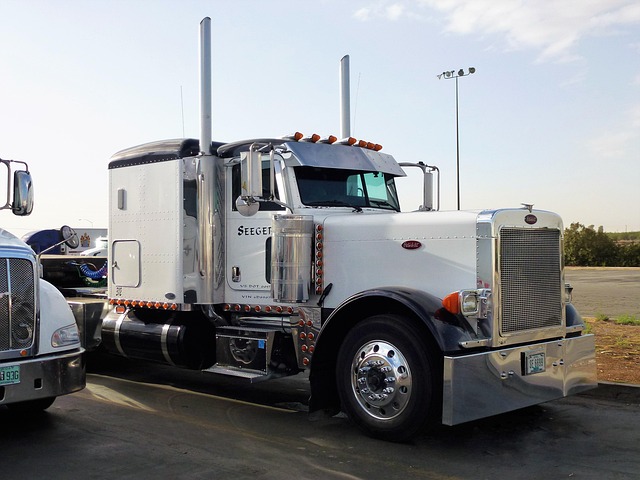
When registering your car in California, the first step is to determine the appropriate registration type based on your vehicle’s use and classification. Different types have varying requirements and associated fees. For instance, private passenger vehicles typically require a standard registration, while commercial or specialized vehicles may need specific licenses.
Choosing the correct registration type ensures accurate fee payment, which can be done online, by mail, or in person at a DMV field office. Fees vary depending on the vehicle’s make, model, age, and intended use. It’s essential to note that proper documentation, including proof of ownership and valid identification, is required to facilitate the vin verification process. Leveraging services like mobile vin verification or a vin inspector can streamline this step by providing immediate validation of your vehicle’s history, ensuring a smoother registration experience.
Submit Application and Wait for Processing
After gathering all the necessary documents and ensuring your car meets California’s requirements, the next step is to submit your application for vehicle registration. This can typically be done online through the California Department of Motor Vehicles (DMV) website or at a local DMV office. When submitting your application, make sure to include the Vehicle Identification Number (VIN) verification as part of the process.
This VIN verification plays a crucial role in ensuring the authenticity and history of your vehicle. Many services offer mobile VIN inspection or use mobile vin verifiers to streamline this step. Once you submit your application, the DMV will review it and process your request. This may take some time, so be patient as they verify your documents and conduct any necessary checks, including a background check on the vehicle’s history and title.
Registering a car in California involves several straightforward steps, from understanding requirements to submitting applications. Always ensure accurate documentation, especially during the VIN verification process. Choose the right registration type and fee, then wait for processing – your vehicle will soon be legally registered in the Golden State. Remember, proper registration is crucial for road safety and legal compliance.