

Registering a car in California is a critical step for any new or existing vehicle owner, ensuring legal compliance and ownership rights. However, navigating the process can be challenging due to its complexity and evolving regulations. This comprehensive guide aims to demystify the registration procedure, offering expert insights tailored to the Golden State’s unique requirements. We’ll walk you through each step, from gathering essential documents to emphasizing the significance of VIN verification for accurate and legitimate registration.
- Prepare Required Documents for Car Registration
- Visit Your Local California Department of Motor Vehicles (DMV) Office
- Complete the Vehicle Registration Application Process
- Provide Proof of Insurance and VIN Verification
- Finalize and Obtain Your Vehicle's Registration Papers
Prepare Required Documents for Car Registration

Before you begin the registration process for your vehicle in California, ensuring you have all the necessary documents is paramount. This step often requires a thorough understanding of your car’s history, especially when it comes to verifying its unique identifier—the Vehicle Identification Number (VIN). The VIN is a critical component in the registration and titling process, providing essential information about the vehicle’s make, model, year, and production location. One effective method for this verification is through a mobile VIN verifier, which allows you to conduct a quick and convenient inspection of your car’s history.
California requires several key documents during the registration process, including proof of ownership, valid identification, and current insurance. When it comes to proving ownership, having a clear title or a bill of sale from the previous owner is essential. Additionally, you’ll need to provide a completed California Vehicle Registration Application form, which can be obtained from the California Department of Motor Vehicles (DMV). For out-of-state vehicles, an Interstate Vehicle Registration Form might also be required. One practical step to streamline this process is utilizing mobile VIN verification services; these tools enable you to quickly access detailed vehicle history reports, including previous ownership and accident records, right from your smartphone or tablet.
The accuracy of the VIN data is crucial to avoid any registration delays or issues. A common mistake is relying solely on visual inspection or incomplete documentation. Mobile VIN verifiers offer a reliable solution by cross-referencing the provided VIN with vast databases, ensuring that every detail matches precisely. For instance, a recent study found that approximately 5% of vehicles had discrepancies in their recorded information, underscoring the importance of thorough verification. By incorporating mobile VIN inspection into your preparation, you can significantly reduce the risk of errors and ensure a smoother registration experience in California.
Visit Your Local California Department of Motor Vehicles (DMV) Office
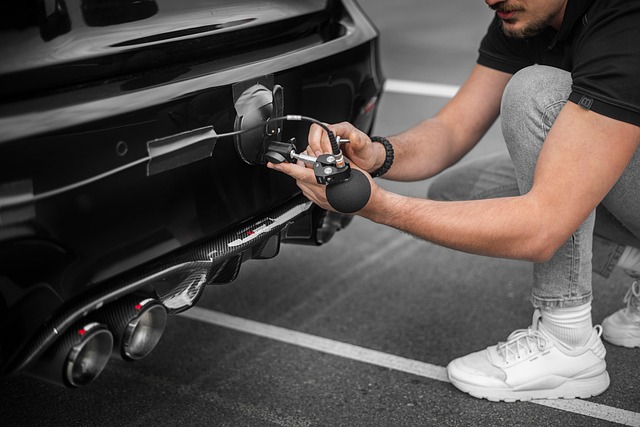
To begin the process of registering your car in California, the first step is to visit your local California Department of Motor Vehicles (DMV) office. This physical interaction is crucial for ensuring all paperwork is completed accurately and for undergoing the necessary vehicle inspection, including vin verification. The DMV provides a dedicated team to assist with registration, offering both in-person services and, in some cases, mobile vin inspection options for added convenience.
When you arrive at your chosen DMV office, be prepared with essential documents like proof of ownership, valid identification, and any required fees. The process typically involves verifying the vehicle’s unique identifier, the Vehicle Identification Number (VIN), which is a critical component for tracking and registering vehicles. This verification can be done on-site through their advanced systems or by utilizing mobile vin inspection services, ensuring accuracy even before completing the registration.
For those with busy schedules, the DMV offers alternative methods like scheduling an appointment online or taking advantage of mobile vin verification services. These options allow you to initiate the VIN verification process remotely, saving time and effort. Once your VIN is confirmed, it’s a straightforward procedure to finalize the car registration, ensuring your vehicle complies with California’s standards and regulations. This step is vital for legal compliance and maintaining accurate vehicle records.
Complete the Vehicle Registration Application Process

Registering a car in California involves several crucial steps, and one of the key processes is completing the Vehicle Registration Application. This procedure ensures that your vehicle meets all legal requirements and is safe for operation on California’s roads. The process begins with accurate and complete documentation, which includes verifying the Vehicle Identification Number (VIN). VIN verification is a critical step in this application process as it helps to ensure the vehicle’s history and authenticity.
To streamline this process, many residents opt for mobile VIN verification services. These services send a licensed inspector to your location, whether it’s your home or office, to perform a thorough inspection of your vehicle. The inspector will check various components, including the engine, transmission, frame, and body panels, to ensure they match the information provided on the title and registration documents. Additionally, they’ll verify the VIN plate on the vehicle against the manufacturer’s records using advanced technology, such as mobile Vin scanners, for accuracy. This method is convenient and efficient, eliminating the need for you to visit a DMV office or wait in long lines.
Once your vehicle has successfully passed the VIN inspection, the next step involves filling out the California Vehicle Registration Application form. This form requires detailed information about the vehicle, including its make, model, year, and specific features. Ensure that all details are accurate and match the specifications listed on your vehicle’s title. After completing the application, you’ll be required to pay the associated registration fees, which can vary based on factors like the type of vehicle and emission standards. Acceptable forms of payment typically include credit cards or personal checks. Upon submission, the DMV will process your application, and if all is in order, issue a new registration certificate for your vehicle.
Provide Proof of Insurance and VIN Verification

Registering a car in California involves several critical steps, and one of the crucial aspects is providing proof of insurance and ensuring accurate Vehicle Identification Number (VIN) verification. This process guarantees that both the vehicle and its insurance coverage meet the state’s legal requirements. It’s essential to understand that California, like many states, mandates that vehicles undergo a VIN inspection as part of the registration procedure.
Proof of insurance is a fundamental requirement when registering your vehicle in California. You’ll need to present a valid insurance card or policy document demonstrating that your car is insured against liability and comprehensive coverage. The state requires specific minimum limits for bodily injury and property damage liability, typically $15,000/$30,000. Additionally, having a current registration certificate from the previous state of residence is necessary during the registration process.
VIN verification plays a pivotal role in ensuring that your vehicle’s identification information is accurate and matches the data held by the California Department of Motor Vehicles (DMV). This step can be completed through various means, including mobile VIN verifiers or online tools provided by authorized entities. For instance, some auto insurance companies offer mobile VIN inspection services where an app-based tool verifies the VIN and checks for any discrepancies with the vehicle’s historical data. These digital methods streamline the process, making it more convenient for both customers and DMV staff. Regular VIN inspections, recommended every 1-2 years, help maintain a clean vehicle history report, which can impact future registration and insurance costs.
Finalize and Obtain Your Vehicle's Registration Papers

To finalize and obtain your vehicle’s registration papers in California, you’ll need to complete several steps, including a critical process known as VIN verification. The Vehicle Identification Number (VIN) is unique to every car, acting as its fingerprint for identification and tracking purposes. In California, proper VIN verification is crucial during the registration process to ensure the vehicle’s history is accurate and unaltered. This involves cross-referencing the VIN with national databases to confirm ownership, odometer reading, accident history, and any outstanding recalls or legal issues.
One practical step that many Californians find valuable is utilizing a mobile VIN verifier. These services allow you to easily and quickly perform a VIN inspection from the comfort of your home or even while waiting in line at the DMV. By inputting your VIN into an online tool or app, these mobile verifiers can provide instant insights into the vehicle’s history, including its age, previous owners, service records, and any reported damage. This proactive step can save you time, money, and potential headaches down the road by identifying issues early in the registration process.
When conducting a VIN inspection—whether through a mobile verifier or at a DMV office—it’s essential to remain vigilant and double-check the vehicle’s documentation. Verify that the odometer reading matches what is displayed on the vehicle’s papers. Also, ensure that all records align with one another, including the title, registration, and any maintenance or repair receipts. If discrepancies are found during this critical VIN verification process, it could delay or even prevent successful registration. Therefore, it’s advisable to conduct a thorough vin inspection 1-3 times before finalizing registration to avoid such issues.
Registering a car in California involves several crucial steps, from preparing essential documents to completing an application process at your local DMV. Key takeaways include ensuring you have all required paperwork, such as proof of ownership and insurance, and undergoing VIN verification. This meticulous process guarantees vehicle identification accuracy and is a vital step before finalizing registration. By following these structured procedures outlined in this article, individuals can efficiently navigate the car registration process, empowering them to legally operate their vehicles with confidence.