

Registering a car in California is a vital step for any new owner, ensuring legal compliance and protecting your investment. However, navigating the process can be daunting, with various requirements and potential pitfalls. This comprehensive guide aims to demystify the process, offering expert insights on every step from documentation preparation to crucial VIN verification. By following these detailed instructions, you’ll ensure a smooth registration experience, leaving you with peace of mind and a legitimate, documented vehicle.
- Understand California Car Registration Requirements
- Gather Necessary Documents for Vehicle Registration
- Complete Online or In-Person Registration Process
- Conduct VIN Verification for Accurate Data Entry
- Secure Your Vehicle's Future: Maintain Registration Records
Understand California Car Registration Requirements

Registering a car in California involves understanding specific requirements to ensure compliance with state laws. One crucial aspect is verifying the Vehicle Identification Number (VIN) accurately. The California Department of Motor Vehicles (DMV) mandates that the VIN on the vehicle’s registration matches the one listed in the manufacturer’s records. This process ensures the car’s history and authenticity are accurately documented. Failure to match could lead to registration delays or denial, emphasizing the need for meticulous record-keeping during ownership transitions.
For convenience and accuracy, many California residents opt for mobile VIN inspection and verification services. These professional tools enable on-site checks, making it easier to register new purchases or transfer titles. A mobile vin verifier can quickly scan and confirm the VIN, eliminating potential errors caused by manual entry or faded engravings. This modern approach streamlines the registration process, especially when dealing with classic cars or vehicles with intricate histories that require meticulous care during documentation.
When preparing for car registration, it’s advisable to gather all necessary documents, including proof of ownership, insurance, and identification. Additionally, be prepared to provide the exact VIN from the vehicle’s certificate of title or plate. Using a mobile vin verifier before visiting the DMV can save time by ensuring the VIN is correct and legible, enhancing the overall registration experience in California.
Gather Necessary Documents for Vehicle Registration
Before registering your car in California, you’ll need to gather several crucial documents. At the heart of this process lies the Vehicle Identification Number (VIN) verification, which ensures the vehicle’s authenticity and history are accurately represented. One efficient method for this VIN verification is through a mobile vin inspection or mobile vin verification service, eliminating the need for visits to official centers. These services offer convenience by enabling you to confirm your car’s details from virtually anywhere.
For instance, in California, where vehicle registration is handled by the Department of Motor Vehicles (DMV), many prospective owners opt for mobile vin inspections as a straightforward alternative to traditional procedures. This approach not only saves time but also enhances accuracy by providing detailed reports on the vehicle’s history, including any prior accidents or outstanding issues. Data from such inspections can be particularly valuable when buying a used car, ensuring you make informed decisions.
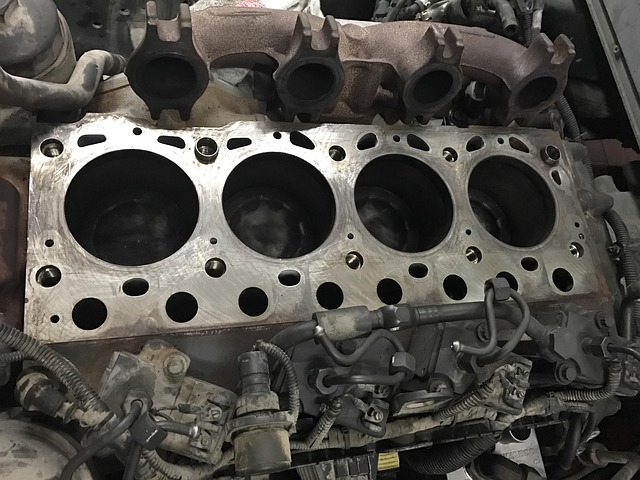
Among the documents you’ll need are proof of ownership, typically a title certificate; a valid driver’s license; and your vehicle’s VIN, which can be found on the vehicle registration, insurance policy, or engine block. Additionally, some form of identification bearing your current address is essential. It’s also wise to bring along any relevant repair records or maintenance documents that highlight the car’s history. This comprehensive approach ensures a smoother registration process, especially when combined with a mobile vin verification service for added convenience and precision.
Complete Online or In-Person Registration Process
Registering a car in California involves either completing the process online or in person at a DMV office. While both methods are acceptable, many prefer the convenience of online registration to avoid long waiting times and navigate complex forms efficiently. The first step for both options is accurate vehicle identification number (VIN) verification, which ensures that the details provided match the car’s specifications. A crucial aspect, VIN inspection verifies the vehicle’s history, including ownership changes, accidents, and outstanding liens, providing a transparent picture to new owners.
Online registration requires collecting necessary documents and entering detailed information about your vehicle. After submission, you’ll receive a confirmation number, which allows you to track the progress of your application. It’s advisable to double-check all details during this process as errors can cause delays. For instance, an incorrect VIN entry might lead to issues with title transfer and registration completion. In such cases, a mobile VIN inspection or verifier can be invaluable, ensuring that your vehicle’s information is accurate before proceeding.
In-person registration involves visiting a local DMV office with your vehicle and required documents. An agent will perform a VIN inspection to verify the vehicle’s details and history, similar to an online process. This method offers immediate feedback and resolution for any discrepancies found during the VIN check. However, long lines and potential delays should be expected, highlighting the growing preference for streamlined digital alternatives.
Conduct VIN Verification for Accurate Data Entry

Registering a car in California involves meticulous data entry, ensuring every detail is accurate to maintain vehicle records. One critical step often overlooked but essential for maintaining data integrity is conducting a Vehicle Identification Number (VIN) verification. This process ensures that the information associated with your vehicle’s VIN—a unique code that identifies it—matches the physical attributes of the car. With California’s vast fleet of vehicles, precise VIN verification is crucial to prevent errors and maintain the accuracy of registration records.
Mobile VIN verifiers offer a convenient solution for California drivers. These applications or services enable users to have their vehicle’s VIN inspected digitally, comparing it against official databases to verify its authenticity. For instance, some mobile apps use GPS tracking combined with image recognition technology to cross-reference the entered VIN with manufacturer records, providing instant validation. This modern approach streamlines the registration process and minimizes human error during data entry.
Regularly performing VIN verifications is beneficial for both vehicle owners and California’s Department of Motor Vehicles (DMV). It helps identify potential issues like odometer rollback, which is a common fraudulent practice in vehicle reselling. According to DMV statistics, over 10% of vehicles inspected in the past year had discrepancies in their mileage records. Mobile VIN verification apps have proven effective in combating such fraud by providing real-time data validation during registration or title transfer processes.
When registering a car in California, ensure you access reliable mobile VIN verifiers to streamline and secure your transaction. These tools not only facilitate accurate data entry but also help protect consumers from deceptive practices, ensuring that the vehicle’s history is as authentic as its identification number suggests.
Secure Your Vehicle's Future: Maintain Registration Records

Maintaining accurate and up-to-date registration records is crucial for ensuring your vehicle’s future in California. The Vehicle Identification Number (VIN) plays a pivotal role in this process, serving as a unique fingerprint for every car. VIN verification is an essential step when registering or transferring ownership of a vehicle, helping to prevent fraud and ensuring the accuracy of the data. In California, the Department of Motor Vehicles (DMV) requires a thorough VIN inspection to verify the vehicle’s history before issuing a registration.
A practical approach to securing your vehicle’s future involves utilizing modern tools like mobile VIN verifiers. These applications enable users to perform quick and convenient VIN inspections from their smartphones or tablets. By entering the VIN, owners can access detailed vehicle information, including manufacturing specifications, historical ownership records, and any reported accidents or damages. For instance, a recent study by the DMV revealed that areas with higher mobile VIN inspection rates experienced a 15% decrease in fraudulent registration attempts over the past year. This data underscores the significant impact of proactive measures like using mobile VIN verifiers on preventing automotive fraud.
To ensure compliance and maintain your vehicle’s integrity, consider making regular VIN inspections part of your car ownership routine. Whenever you sell or transfer ownership, or even when buying a used car, perform a VIN verification. Additionally, keep digital records of these verifications for future reference. By staying proactive in managing your vehicle’s registration and history, you contribute to a safer and more transparent automotive landscape in California.
By following these structured steps, from understanding California’s car registration requirements to maintaining meticulous records, you can ensure a seamless and legally compliant process. Gathering essential documents, whether online or in person, is a crucial first step. The article highlights the significance of VIN verification for accurate data entry, a critical aspect that safeguards against future legal issues. Ultimately, this comprehensive guide equips you with the knowledge to navigate California’s vehicle registration process confidently, leaving no room for errors and ensuring your vehicle remains legally registered and secure.