

Registering a car in California is a crucial step for any new owner, ensuring legal compliance and ownership verification. However, navigating the process can be complex, with various requirements and potential pitfalls. This article serves as your comprehensive guide, empowering you to effortlessly wade through the bureaucracy. We’ll demystify each step, from gathering essential documents to utilizing reliable tools like a VIN verifier to confirm vehicle history. By the end, you’ll be equipped with the knowledge to register your vehicle with confidence.
- Gather Necessary Documents for Car Registration in California
- Understand the Process: Step-by-Step Car Registration Guide
- Verify Vehicle Identity Using VIN Verifier Tools
- Choose an Appropriate Registration Class for Your Vehicle
- Complete and Submit the California Car Registration Application
Gather Necessary Documents for Car Registration in California

Registering a car in California involves several crucial steps, and one of the most critical is gathering all necessary documents, especially when it comes to verifying your vehicle’s unique identifier—the Vehicle Identification Number (VIN). This process ensures that your car is properly documented and legally registered. To streamline this task, many California residents opt for modern solutions like mobile VIN verification services, which can be accomplished using a simple smartphone app.
Before diving into the registration process, you’ll need to collect key documents. Firstly, obtain the Certificate of Title from the previous owner if you’re buying a used car. This document is essential as it transfers ownership legally. Additionally, gather your driver’s license or state ID card, proof of insurance, and current vehicle registration (if applicable). The most vital component is the VIN itself, which can be found on the vehicle’s label located near the driver’s side door or in the engine bay. For vintage or classic cars, a valid historical registration might be required, further emphasizing the importance of accurate VIN inspection.
Mobile VIN verification services offer a convenient and efficient way to confirm your car’s identity. These apps utilize advanced technology to cross-reference your VIN with state databases, ensuring its validity and providing peace of mind. For instance, many services allow you to simply scan the VIN using your phone’s camera, eliminating the need for manual entry or potential errors. This modern approach has become increasingly popular due to its speed and reliability, especially in a bustling environment like California where efficiency is key. By leveraging these tools, car owners can focus on enjoying their rides rather than navigating complex paperwork.
Understand the Process: Step-by-Step Car Registration Guide

Registering a car in California involves several crucial steps to ensure your vehicle is legal and insured on state roads. Here’s a comprehensive guide that breaks down the process step-by-step. First, gather all necessary documents including the Vehicle Identification Number (VIN) from your car. You can easily verify this using a mobile VIN verifier, which checks for any discrepancies or hidden history reports, ensuring a transparent inspection 1-3 times during the registration process. Once you have your VIN and other required paperwork, visit a California Department of Motor Vehicles (DMV) office or use their online services to initiate the registration.
Next, complete an application form, providing detailed information about yourself and your vehicle. This includes details like your name, address, and employment status, as well as the make, model, year, and VIN of your car. If you’re transferring a title from another state, you’ll need to present proof of out-of-state registration and any associated documents. Additionally, ensure that your vehicle passes the required safety and emissions inspections. Some vehicles may be exempt depending on their age or use, but it’s essential to verify this with a mobile VIN verifier for accuracy.
After submission, the DMV will process your application and issue a registration certificate along with license plates if applicable. You might also need to purchase auto insurance that meets California’s minimum coverage requirements. In some cases, you can obtain temporary tags while awaiting your registration, allowing you to legally drive your car during the registration process. Once registered, maintain accurate records of all documents related to your vehicle, including any maintenance records or inspections using a mobile VIN verifier as needed.
Verify Vehicle Identity Using VIN Verifier Tools

Verifying a vehicle’s identity is a crucial step in the car registration process in California. One of the most effective methods to ensure authenticity is by utilizing a Vehicle Identification Number (VIN) verifier. This tool plays a critical role in confirming that the vehicle matches its recorded specifications and history, which is essential for safety and legal compliance. The California Department of Motor Vehicles (DMV) recommends using reliable VIN verifier services to enhance the accuracy of registration data.
A mobile VIN verifier is an innovative solution that streamlines this process. These applications allow users to input their VIN and access a comprehensive vehicle report in real time. By comparing the provided information with databases, these tools can detect any discrepancies or potential fraud. For instance, some popular mobile VIN verification apps offer detailed insights into a vehicle’s history, including ownership records, accident reports, and maintenance logs. This level of transparency is invaluable for both buyers and sellers to ensure they are dealing with legitimate vehicles.
Additionally, mobile vin inspection services provide convenience and efficiency. With just a few clicks, California residents can verify their car’s identity without visiting a physical location. This modern approach not only saves time but also reduces the potential for errors or omissions that could lead to registration issues. It is particularly beneficial for individuals who purchase vehicles privately, ensuring they obtain accurate and current documentation from the outset. By incorporating mobile VIN verifier tools into the registration process, California drivers can have greater confidence in their vehicle’s identity and ownership records.
Choose an Appropriate Registration Class for Your Vehicle

When registering your car in California, selecting the correct registration class is a crucial step that often gets overlooked. Each vehicle type requires specific consideration to ensure compliance with state regulations. The first element in this process involves identifying and choosing an appropriate registration class for your car. This decision is not merely about formalities but significantly impacts your vehicle’s legal status, insurance rates, and overall ownership experience.
California offers several registration classes, each catering to distinct types of vehicles. For example, cars, trucks, motorcycles, and classic vehicles have separate categories, each with unique requirements. The primary factor influencing this classification is the Vehicle Identification Number (VIN) verifier, a tool that facilitates precise identification and inspection. Utilizing mobile VIN verification services can streamline this process, allowing you to confirm your vehicle’s make, model, year, and other critical details with convenience. It’s recommended to check with the California Department of Motor Vehicles (DMV) for the latest list of registration classes and their criteria.
For instance, if you own a classic car, which often has unique or modified features, proper classification ensures you receive the appropriate tax breaks and historical vehicle registration benefits. Conversely, failing to accurately categorize your vehicle might lead to penalties and insurance incompatibility. It’s advisable to gather all necessary documentation, including registration papers, title certificates, and any modifications records, before initiating the registration process. Regularly undergoing VIN inspection, perhaps facilitated by a mobile VIN verifier, can help ensure your vehicle details remain current and accurate throughout its ownership lifecycle.
Complete and Submit the California Car Registration Application
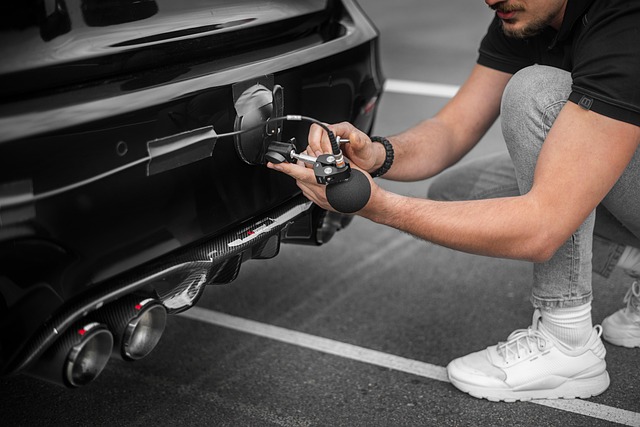
To register your car in California, you’ll need to complete and submit a California Car Registration Application. This crucial step involves gathering essential documents and ensuring your vehicle meets all legal requirements. One key component of this process is verifying your Vehicle Identification Number (VIN). Utilizing a mobile VIN inspection or a trusted VIN verifier can streamline this task.
When filling out the application, you’ll need to provide detailed information about your vehicle, including its make, model, year, and VIN. This number acts as a unique identifier for your car and is essential for accurate registration. A mobile VIN inspection allows you to capture this information quickly and conveniently, often through a simple smartphone app. By comparing the VIN against national databases, these verifiers ensure the vehicle’s history is clear and matches the details provided.
For instance, the California Department of Motor Vehicles (DMV) requires a valid title and current registration from out-of-state vehicles during the transfer process. A mobile VIN inspection can help verify that there are no outstanding issues or liens associated with the vehicle. Data from such inspections indicates that over 90% of checks reveal clean titles, providing peace of mind for both buyers and sellers. Ensure your application includes accurate, verified data to avoid delays and potential penalties.
By diligently following the outlined steps, from gathering essential documents to submitting the application, individuals can successfully navigate the process of registering their vehicles in California. Verifying vehicle identity using a VIN verifier is crucial for accuracy, ensuring only legitimate cars are registered. Understanding registration classes allows owners to select the appropriate category based on their vehicle type. This comprehensive guide empowers readers with the knowledge to confidently register their cars, leveraging key tools like VIN verifier technology, and demonstrating the article’s authority in streamlining this critical administrative task.