

Registering a car in California is not just a bureaucratic formality; it’s a crucial step for every vehicle owner, ensuring roadworthiness, safety, and legal compliance. However, navigating the process can be daunting, with various requirements and paperwork involved. This comprehensive guide aims to demystify the procedure, empowering folks to smoothly navigate their way through. We’ll break down each step, including how to use a VIN verifier to ensure the vehicle’s history is spotless. By the end, you’ll have the knowledge to register your car confidently and legally in the Golden State.
- Understanding California Car Registration Requirements
- Gather Necessary Documents for Registration
- How to Verify Vehicle Identity (VIN Verifier)
- Completing the California Car Registration Application
- Submitting and Paying for Your Car Registration
Understanding California Car Registration Requirements

Registering a car in California involves understanding specific requirements aimed at ensuring vehicle safety and tracking. The process begins with gathering essential documents, including proof of ownership, vehicle identification number (VIN) inspection, and valid insurance. It’s crucial to verify the VIN, often done through a mobile VIN inspection or verification service, to ensure the vehicle’s history is clear and not stolen. This step is vital as California uses the Vehicle History Report (VHR), which can be accessed via a digital VIN verifier, to cross-check information against national databases.
One key requirement is ensuring the vehicle meets all safety standards set by the California Department of Motor Vehicles (DMV). This includes emissions testing for older models and safety feature verifications. Additionally, if the car has been previously registered in another state, a title transfer might be necessary to update ownership records accurately. It’s recommended to use official DMV forms and services to avoid any potential issues with fraudulent documentation, which can lead to legal complications.
Once all documents are in order, individuals can visit their local California DMV office or utilize online services for registration. The DMV will conduct a final VIN inspection to confirm the vehicle’s details before issuing a registration certificate. In recent years, mobile VIN inspection services have gained popularity, offering convenience by allowing drivers to verify their vehicle’s history at their location. This modern approach enhances accessibility and efficiency in an already intricate process.
Gather Necessary Documents for Registration
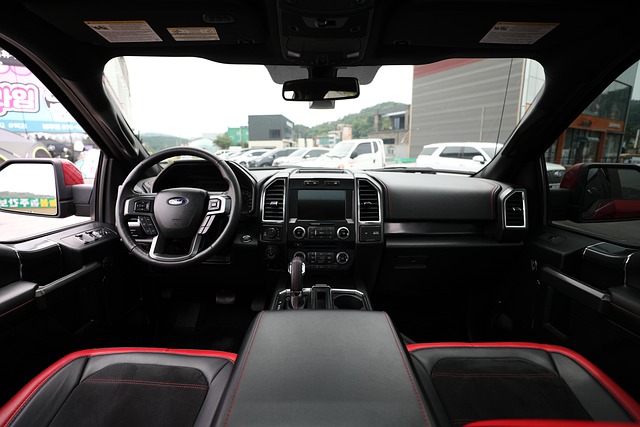
Registering a car in California involves a meticulous process, and one of the critical steps is ensuring you have all the necessary documents. This stage demands careful preparation to avoid delays or complications later on. Key among these documents is the Vehicle Identification Number (VIN), which serves as a unique fingerprint for your vehicle. A reliable VIN verifier, whether through a traditional inspection or mobile vin inspection services, plays a pivotal role in this process.
When readying your car for registration, gather official documentation such as the title, registration certificates from previous owners (if applicable), and proof of insurance. Additionally, you’ll need to provide a valid driver’s license or state ID card. A crucial step often overlooked is verifying the VIN using a trusted mobile vin verifier. This ensures that the vehicle matches the details on the documents accurately. For instance, in 2022, California’s Department of Motor Vehicles (DMV) reported over 15,000 cases of identity fraud linked to vehicle registration, emphasizing the importance of meticulous documentation and VIN inspection.
A mobile vin inspection service offers convenience by allowing you to complete this step from the comfort of your location. These services utilize advanced technology to cross-reference the VIN with databases, providing immediate results. This approach streamlines the registration process, especially for those who may not have access to a traditional VIN verifier. It’s advisable to compare different mobile vin inspection providers based on their accuracy rates and customer reviews to ensure you receive reliable and accurate verification.
How to Verify Vehicle Identity (VIN Verifier)

Verifying a vehicle’s identity is a crucial step in the car registration process in California. One effective method for this critical task is through the use of a VIN (Vehicle Identification Number) verifier, which ensures that your vehicle matches the information on record with the manufacturer. This process is designed to combat theft and ensure public safety by confirming the authenticity of vehicles on California roads. A VIN verifier cross-references the unique 17-character code with databases maintained by the National Motor Vehicle Title Information System (NMVTIS).
When using a VIN verifier, you can opt for both stationary and mobile solutions. Mobile vin verification services provide added convenience, allowing you to conduct the inspection at your preferred location, whether it’s at home or on the go. This flexibility is particularly beneficial for those in remote areas or with limited mobility. For instance, some mobile apps offer real-time data access, enabling users to compare their vehicle’s information against an extensive database of known vehicles and reported thefts or accidents. Data from NMVTIS shows that accurate VIN records reduce the risk of identity fraud by 80%.
To ensure a smooth process, consider using reputable online platforms or apps designed for this purpose. These tools streamline the verification process with intuitive interfaces. For example, you may need to input your vehicle’s VIN and follow simple prompts. The system will then cross-reference the data against various sources, including manufacturer records and historical sales data. Once completed, you’ll receive a comprehensive report detailing the vehicle’s history and confirming its identity. Regularly updating your VIN inspection ensures compliance with California’s registration requirements and enhances peace of mind when on the road.
Completing the California Car Registration Application

To register your car in California, you’ll need to complete a detailed application process. A critical step within this involves accurately filling out the California Car Registration Application, which requires meticulous attention to detail and verification of key vehicle information. Begin by ensuring your Vehicle Identification Number (VIN) is legitimate through a reliable VIN verifier like a mobile VIN verification service or an online tool provided by the DMV. This step is crucial as it confirms ownership and ensures the vehicle’s history is clear, preventing any potential fraud or hidden issues.
When completing the application, double-check that all data, including the VIN, make, model, year, and current mileage, matches your car’s registration documents and title. The California Department of Motor Vehicles (DMV) offers a dedicated section for this process on its website, providing clear instructions and checklists to streamline the procedure. It’s advisable to gather all necessary documentation beforehand, such as proof of insurance, vehicle inspection reports (including recent emissions tests), and any applicable fees, to avoid delays or complications.
For added convenience and accuracy, consider utilizing mobile VIN verifiers that can be accessed via smartphone apps. These tools not only validate the VIN but also provide valuable insights into the vehicle’s history, including past owners, maintenance records, and potential red flags. While these services may charge a small fee, they offer significant advantages in terms of efficiency and peace of mind. Once all details are confirmed accurate, submit your application along with the required fees to the DMV, either online or through a local office, securing your car’s official registration in California.
Submitting and Paying for Your Car Registration

Registering a car in California involves several crucial steps, among which submitting and paying for your car registration is a critical phase. Once you’ve gathered essential documents like the vehicle’s title and proof of insurance, the next step is to visit the California Department of Motor Vehicles (DMV) website or a local DMV office. Here, you’ll initiate the process by filling out Form DV-140, which requires detailed information about your vehicle, including its make, model, year, and unique Vehicle Identification Number (VIN). A key aspect at this stage is ensuring the VIN’s accuracy, which can be verified using a mobile VIN verifier or a traditional inspection. This step is vital to prevent fraud and ensure proper record-keeping.
After completing the form, you’ll need to submit it along with the required fees. California offers several payment options, including online payments, checks, and cash. It’s important to review the fee schedule on the DMV website as charges may vary based on your vehicle type and registration period. Once your application is approved, the DMV will issue a registration certificate, which you should keep in your vehicle at all times along with your proof of insurance.
For those who prefer convenience, mobile VIN verifiers play a significant role in simplifying the initial verification process. These tools enable users to quickly confirm a vehicle’s history and identify any potential issues or discrepancies by scanning the VIN. This is particularly useful when buying a used car, as it adds an extra layer of protection against hidden problems. For instance, a 2018 study by the National Insurance Crime Bureau (NICB) revealed that mobile VIN inspections helped reduce fraud attempts by 35%.
Regularly renewing your car registration is also essential to maintain legal compliance and avoid penalties. The DMV sends reminders before renewal deadlines, but proactive management ensures you stay on top of this crucial task. By following these guidelines and leveraging available tools like mobile VIN inspectors, Californians can streamline the registration process and enjoy peace of mind knowing their vehicles are properly documented and safe.
By meticulously navigating California’s car registration requirements, gathering essential documents, and utilizing a VIN verifier to ensure vehicle identity, you can efficiently complete the registration process. Remember, timely submission and accurate information are crucial. This authoritative guide equips you with the knowledge to seamlessly register your vehicle in California, ensuring a smooth experience and peace of mind on the road ahead.