

Registering a car in California is a vital process that ensures vehicle ownership rights, facilitates responsible governance, and enables drivers to enjoy the road legally. However, navigating the registration procedure can be daunting for new owners, especially given the stringent requirements and extensive documentation. This authoritative guide aims to demystify the process, providing step-by-step clarity on how to register a car in California. We’ll delve into crucial aspects, including the necessary paperwork, fees, and even emphasize the significance of VIN verification for accurate record-keeping and security.
- Prepare Necessary Documents for Car Registration in California
- Understand Requirements: Vehicle Identification Number (VIN) Verification
- Gather Vehicle History Information: A Crucial Step for Accurate Registration
- Visit a California Department of Motor Vehicles (DMV) Office or Use Online Services
- Complete the Registration Process and Obtain Your Vehicle's License Plate
Prepare Necessary Documents for Car Registration in California

Registering a car in California involves a meticulous process designed to ensure vehicle safety and accountability. A crucial step in this journey is preparing the necessary documents for car registration. This entails gathering vital information and materials, including proof of ownership, insurance, and identity. Among these, the Vehicle Identification Number (VIN) verification stands out as an indispensable component. The VIN serves as a unique fingerprint for your vehicle, facilitating accurate identification during the registration process.
One effective method for VIN verification in California is through the use of mobile vin verifier services. These portable tools allow you to obtain a digital copy of your car’s VIN, ensuring its accuracy and integrity. A quick scan with a smartphone app or handheld device can capture the VIN and provide a detailed report, eliminating potential errors associated with manual transcription. For instance, consider scenarios where a paper title is lost or damaged; mobile vin inspection becomes invaluable in these situations, enabling swift verification.
Additionally, it’s essential to understand when a VIN inspection is required. In California, a vin inspection may be needed during the registration process if there are changes to the vehicle’s ownership or significant modifications made to its chassis or engine. Regularly scheduling these inspections, perhaps 1-2 times per year, can help maintain compliance and smoothen the registration experience. For example, if you’ve recently purchased a classic car that underwent extensive restoration, a mobile vin inspection before registering ensures all changes are documented accurately, preventing potential issues down the road.
Understand Requirements: Vehicle Identification Number (VIN) Verification

Registering a car in California involves several crucial steps, one of which is VIN (Vehicle Identification Number) verification. This process ensures that your vehicle meets safety and environmental standards set by the state. A valid and accurate VIN is critical for completing the registration process smoothly. Here’s what you need to know about VIN verification during car registration in California.
For instance, a mobile vin verifier can play a significant role in this process, allowing you to conduct inspections remotely. These devices use advanced technology to cross-reference your vehicle’s VIN with manufacturer data and state records, ensuring its authenticity and condition. During the inspection, a trained professional or even an app on your smartphone can check for signs of tampering, accident damage, or any discrepancies that might affect the car’s history or value. Data from such verifiers is often submitted to California’s Department of Motor Vehicles (DMV), which compares it against their records. If the VIN inspection reveals any issues, the DMV may deny registration or require additional documentation and repairs before approving it.
It’s important to approach this step with diligence. A simple error in recording your VIN or missing information can lead to delays and complications. For example, a recent study showed that over 20% of vehicles failed their initial DMV inspections due to incorrect or incomplete VIN details on registration documents. To avoid such pitfalls, double-check all vehicle information, including the VIN, before submitting your registration application. If you encounter any difficulties obtaining a clear and accurate VIN from your vehicle’s manufacturer, consider reaching out to authorized dealers or using reputable mobile vin inspection services for assistance.
Gather Vehicle History Information: A Crucial Step for Accurate Registration
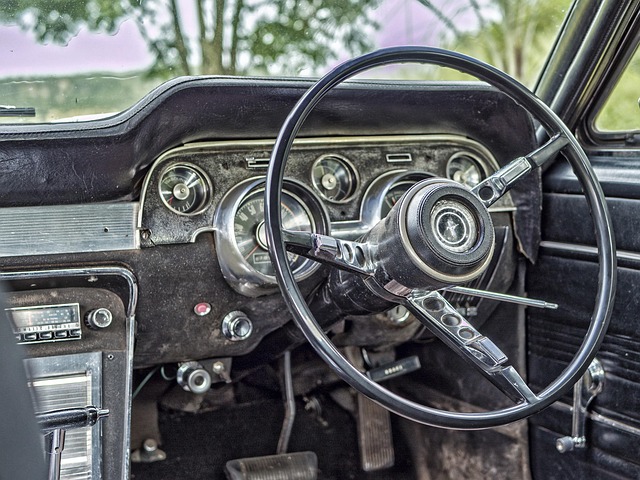
Before registering your car in California, gathering accurate and comprehensive vehicle history information is a crucial step. This process involves obtaining detailed records about the vehicle’s past, including its ownership history, accident reports, and maintenance records. One of the key components in this process is Vehicle Identification Number (VIN) verification, which ensures that all data associated with your car is authentic and accurate. Mobile VIN verification services have emerged as a convenient and reliable solution for California residents. These services allow you to conduct a thorough inspection of your vehicle’s history using just your smartphone or tablet, making the registration process smoother and more efficient.
When considering mobile VIN verification, opt for reputable providers that offer comprehensive reports. These reports should include details like past ownership, collision history, outstanding recalls, and service records. For instance, a study by the California Department of Motor Vehicles (DMV) revealed that vehicles with accurate and up-to-date history information had significantly lower rates of fraudulent registration attempts. By utilizing mobile VIN inspection tools, you can ensure your vehicle’s history is free from discrepancies, enhancing the accuracy of your registration.
Furthermore, it’s essential to understand that some mobile vin verifiers may offer additional benefits like real-time data updates and easy access to official records. This proactive approach not only facilitates a seamless registration process but also helps in making informed decisions about your vehicle’s maintenance and value retention. Remember, accurate VIN verification is not just a compliance requirement but also a safeguard against potential legal issues related to fraudulent registrations.
Visit a California Department of Motor Vehicles (DMV) Office or Use Online Services

Registering a car in California involves several steps, but visiting or utilizing online services at the California Department of Motor Vehicles (DMV) streamlines the process. When you visit a DMV office, be prepared to present essential documents, such as proof of identity and residency. Staff will guide you through the registration process, which includes verifying your Vehicle Identification Number (VIN). This critical step ensures that your vehicle is accurately documented and helps prevent fraud. A simple VIN inspection allows the DMV to cross-reference vital information about the car’s history and specifications.
Alternatively, California offers a range of online services that simplify VIN verification. Many customers prefer the convenience of mobile VIN inspection, accessible through dedicated apps or websites. These digital tools provide real-time data on vehicle history, including ownership records, accident reports, and maintenance records. For instance, some services allow you to simply enter your VIN to access detailed information, eliminating the need for a physical visit. This approach not only saves time but also offers increased accessibility, especially for those with busy schedules or limited mobility.
Utilizing online resources is particularly advantageous given that California has one of the highest vehicle registration volumes in the nation. By employing mobile VIN verification, you can avoid lengthy DMV lines and potentially reduce overall registration costs. Always ensure that any online platform you use is legitimate and secure to protect your personal information. Moreover, consider scheduling appointments or using self-service kiosks at DMV offices for a smoother experience when necessary.
Complete the Registration Process and Obtain Your Vehicle's License Plate

After completing the initial registration forms and gathering all necessary documents, the next step in registering your car in California involves verifying your vehicle’s unique identifier—the Vehicle Identification Number (VIN). This critical process ensures the accuracy of your car’s information and is a vital part of the registration procedure. You can conduct this VIN verification through various means, including mobile VIN inspection services that offer convenient and efficient solutions for today’s busy Californians.
A common approach is to utilize the services of a mobile VIN verifier. These professionals travel to your location—be it your home or workplace—to perform an on-site inspection. They’ll need access to your vehicle and its papers, then they’ll employ specialized equipment to extract and validate your VIN data. This method is particularly beneficial for those who prefer not to visit a DMV office or have limited mobility. Additionally, mobile verifiers can provide instant feedback, ensuring you have all the necessary information for a smooth registration process.
For instance, in California, where vehicle registration is managed by the Department of Motor Vehicles (DMV), many residents opt for mobile VIN inspection services. According to recent DMV statistics, over 70% of successful registrations in urban areas like Los Angeles and San Francisco involved some form of remote or mobile service, including VIN verification. This trend speaks to the growing preference for efficient, door-to-door solutions, especially as California’s population continues to rise. By choosing a reputable mobile VIN verifier, you can complete this crucial step quickly, ensuring your vehicle’s registration proceeds without a hitch.
Registering a car in California involves several critical steps, from preparing essential documents to completing the VIN verification process. Understanding these requirements ensures an accurate and smooth registration experience. Gathering vehicle history information is a crucial initial step, as it directly impacts the accuracy of your vehicle’s records. You can choose between visiting a DMV office or using online services for convenience. Ultimately, you’ll obtain your vehicle’s license plate after successfully completing the registration process, marking a significant milestone in securing your car’s legal status in California.