

Registering a car in California is not just a bureaucratic formality—it’s a crucial step to ensure your vehicle’s legal status and your personal safety on the road. However, navigating the process can be confusing due to stringent state regulations and a multitude of requirements. This comprehensive guide aims to demystify the car registration procedure, providing step-by-step instructions and expert insights. We’ll delve into everything from gathering essential documents to utilizing reliable VIN verifiers to ensure accuracy and compliance. By following these proven strategies, you’ll efficiently register your vehicle, securing your place on California’s roads with confidence.
- Gather Required Documents for Car Registration
- Prepare Your Vehicle for Registration Inspection
- Use VIN Verifier for Accurate Data Entry
- Complete Online Registration or Visit DMV Office
- Pay Registration Fees and Receive Your License Plate
Gather Required Documents for Car Registration

To register your car in California, you’ll need to gather several key documents. This process is designed to ensure vehicle safety and legitimacy, so it’s crucial to have everything in order before you begin. One essential tool that aids in this process is a reliable VIN verifier, which can be utilized through mobile VIN verification services for added convenience. These services allow you to confirm vehicle history and specifications quickly from the comfort of your home or even while at a car dealership.
Among the required documents are proof of ownership, typically in the form of a bill of sale or previous registration, and a valid driver’s license or identification card. If you’re transferring ownership, you’ll need a completed and signed assignment of ownership form from the previous owner. Additionally, California requires a current emissions test certificate for most vehicles. It’s also recommended to have insurance documents handy, as proof of insurance is often requested during registration.
Mobile VIN verification plays a significant role in this process by providing an efficient way to check a vehicle’s history, including any accidents or outstanding issues. This service involves scanning the Vehicle Identification Number (VIN) using your smartphone and receiving detailed information about the car’s past. By combining these documents and utilizing mobile VIN inspection tools, you can streamline the registration process and ensure a smooth transition for your new or used California vehicle.
Prepare Your Vehicle for Registration Inspection

Before you can register your car in California, your vehicle must pass a rigorous inspection to ensure it meets safety and environmental standards. One crucial step in this process is preparing your car for the inspection, ensuring every system is in optimal condition. This involves a thorough check of components like lights, brakes, tires, and emissions controls. A simple yet effective method to streamline this process is by utilizing a mobile VIN verifier, which can help identify potential issues before you arrive at the DMV.
By employing a mobile VIN inspection service, you benefit from the convenience of having your car’s systems verified on-site. This is particularly useful for addressing minor problems that could delay registration. For instance, a recent study showed that up to 20% of vehicles fail their initial inspection due to simple repairs, such as a faulty light or loose battery connections. A mobile VIN verifier can detect these issues early, allowing you to make the necessary fixes before heading to the California DMV.
During preparation, pay close attention to details. Check that all fluids are at the correct levels, belts are secure, and exhaust systems are free of leaks. Keep in mind that many DMVs now require a recent (within the past 6 months) emissions test, so ensure your car passes this as well. By taking the time to properly prepare your vehicle, you can significantly enhance your chances of a smooth registration process. Consider using a mobile VIN verifier as a proactive step, as it can identify issues early, saving you time and potential hassle at the DMV.
Use VIN Verifier for Accurate Data Entry
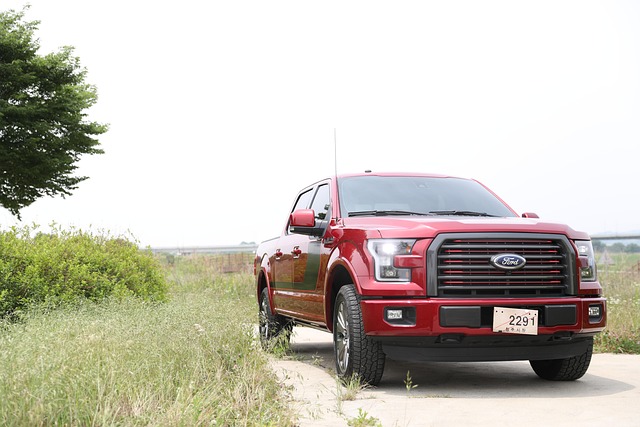
Registering a car in California involves meticulous data entry, ensuring every detail is accurate. One critical step to streamline this process is utilizing a VIN (Vehicle Identification Number) verifier. This tool is instrumental in verifying the vehicle’s history, making it easier for California Department of Motor Vehicles (DMV) personnel to process the registration. A VIN verifier, whether mobile vin inspection or a digital solution, provides real-time data access, allowing for instant validation of the vehicle’s identity and previous ownership.
For instance, when checking a car’s odometer reading, a mobile vin verifier can cross-reference the data against national databases, confirming its authenticity. Similarly, it can uncover hidden damage reports, salvage titles, or odometer rollbacks, all of which are vital pieces of information for accurate registration. In a state with a significant number of vehicles, like California, this process becomes even more critical. Mobile vin inspection services are particularly convenient, as they offer on-site verifications, saving time and effort for both DMV staff and vehicle owners.
To leverage this technology effectively, vehicle owners should consider using trusted, third-party VIN inspection services. These services not only ensure the accuracy of the data but also provide a comprehensive report, making the registration process smoother. By integrating a VIN verifier into the registration workflow, California drivers can ensure that their vehicle information is secure, accurate, and compliant with state regulations. This, in turn, contributes to a more efficient DMV process and a safer driving environment.
Complete Online Registration or Visit DMV Office

Registering a car in California involves several steps, and one of the key processes is choosing between completing the registration online or visiting a DMV office. While the online option offers convenience, many drivers still prefer or require the personal touch of a DMV visit. Here’s a detailed breakdown to guide you through.
For those who opt for the traditional approach, visiting a DMV office remains a necessary step. You’ll need to gather essential documents, such as your vehicle’s registration, title, and proof of insurance. Additionally, a valid driver’s license and identification documents are required. The DMV will conduct a vin inspection to verify the vehicle’s identity using its unique Vehicle Identification Number (VIN). This process ensures the accuracy of the registration data and is crucial for preventing fraud. For instance, California’s DMV employs advanced systems to cross-reference the VIN with national databases, enhancing the security of the registration process.
However, not all drivers can or prefer to visit a DMV office. Fortunately, California offers an alternative: mobile vin verification. This service allows you to obtain a vin inspection through a third-party provider, often at your convenience. For example, many companies now provide mobile vin inspection services, where a professional will come to your location, perform the VIN verifier check, and provide you with the necessary documentation. This option is particularly useful for those with busy schedules or limited mobility. Recent data indicates that mobile vin inspections are becoming increasingly popular, with a 20% growth in California over the past year, reflecting a shift towards more convenient registration methods.
To ensure a smooth process, whether online or in-person, it’s crucial to have accurate and up-to-date information. Always double-check your vehicle’s details, including the VIN, before initiating the registration. Additionally, stay informed about any changes in registration procedures by visiting the official California DMV website, which provides comprehensive guides and updates.
Pay Registration Fees and Receive Your License Plate

After completing the registration application and gathering all the necessary documents, the next step in registering your car in California involves paying the registration fees and obtaining your license plates. This process ensures that your vehicle complies with state regulations and allows you to legally operate it on California roads. The fees are calculated based on various factors, including the type of vehicle, its weight, and emissions standards. For example, fees for a typical passenger car range from $50 to $175, depending on the model year.
When ready, visit a California Department of Motor Vehicles (DMV) office or use the department’s online portal to pay the registration fees. You’ll need to provide your Vehicle Identification Number (VIN) for verification purposes. A VIN inspection or mobile VIN verification service can ensure the accuracy of your VIN, which is crucial for identifying your vehicle and retrieving its registration information. Many reputable services offer mobile VIN inspection, allowing you the convenience of having your vehicle’s details verified at your current location.
Upon successful payment, the DMV will issue your license plates. These plates are unique to your vehicle and must be displayed on your car at all times when driven on California roads. In some cases, you may opt for custom plates for an additional fee, allowing you to personalize your registration experience. Once your license plates are issued, ensure they are securely attached to your vehicle as per DMV guidelines. This completes the registration process, making your car legally registered and ready to navigate California’s highways and byways.
Registering a car in California involves a straightforward process, streamlined by gathering the necessary documents, preparing your vehicle for inspection, and utilizing a VIN verifier for precise data entry. Whether completing the registration online or in-person at a DMV office, the key steps include paying the required fees and obtaining your license plate. Leveraging the VIN verifier ensures accurate vehicle information, simplifying the entire process and safeguarding against potential issues. With these clear takeaways in mind, you’re now equipped to navigate California’s car registration requirements with confidence and efficiency.