

Registering a car in California is a vital process ensuring vehicle ownership rights, roadworthiness, and compliance with state laws. However, navigating the procedures can be daunting for new owners, often shrouded in complexity and paperwork. This comprehensive guide aims to demystify the process, offering step-by-step insights into registering your vehicle efficiently. From gathering essential documents to utilizing reliable tools like a VIN verifier, we’ll equip you with the knowledge to streamline this crucial task, ensuring a seamless transition into California’s automotive landscape.
- Prepare Necessary Documents for Car Registration
- Verify Vehicle's VIN Using Official California Tools
- Visit Your Local DMV Office or Use Online Services
- Complete the Registration Application Form Accurately
- Pay Registration Fees and Receive Your Certificate of Registration
Prepare Necessary Documents for Car Registration

Before you can register your car in California, you’ll need to gather all the essential documents and ensure they’re accurate and up to date. This process is crucial to facilitate a smooth transaction and avoid any legal issues. One critical step is verifying your Vehicle Identification Number (VIN). In California, this often involves a VIN inspection using a reliable mobile VIN verifier to ensure the vehicle’s history aligns with what the owner claims.
A mobile VIN verification service allows you to check the VIN on-site during the registration process. These services cross-reference the VIN against comprehensive databases to provide detailed information about the vehicle, including its historical ownership, accident reports, and any outstanding recalls or titles issues. This step is particularly important in California, where vehicles must pass certain safety and emission standards before registration. By using a mobile VIN verifier, you can save time and ensure that your car’s history is clear, increasing the chances of a successful registration.
For instance, data from the California Department of Motor Vehicles (DMV) shows that around 80% of registration applications are processed without issues when accompanied by proper documentation, including accurate VIN information. Conversely, failure to provide correct or complete details can lead to delays and potential rejections. Therefore, it’s advisable to use a mobile VIN verifier as an initial step in the preparation process. These services have become increasingly accessible, allowing you to conveniently verify your vehicle’s history using just your smartphone.
Verify Vehicle's VIN Using Official California Tools
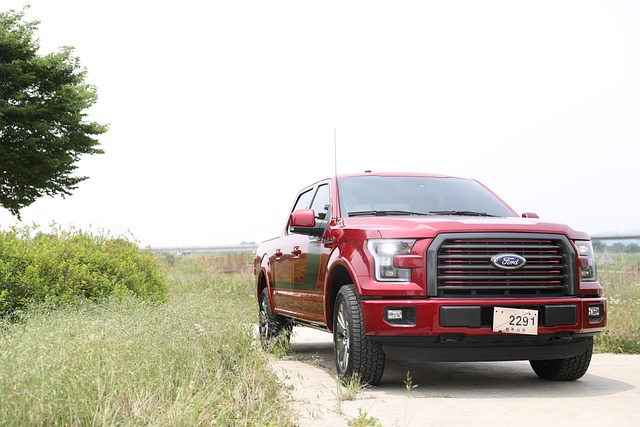
Verifying a vehicle’s VIN (Vehicle Identification Number) is a crucial step in the car registration process in California. This essential task ensures that your vehicle meets all legal requirements before hitting the road. As part of the registration procedure, you must confirm the VIN’s authenticity and accuracy using official tools designed by the California Department of Motor Vehicles (DMV). This verification process plays a critical role in preventing fraud and ensuring vehicle safety.
The California DMV offers several methods to verify a VIN, including mobile vin inspection services. These mobile verifiers allow you to cross-check your car’s identification number at various locations, providing convenience and efficiency. For instance, some third-party services provide mobile vin checkers that can be booked online, enabling you to get the process done quickly while adhering to state regulations. This modern approach streamlines the registration experience, especially for those with busy schedules.
When conducting a VIN inspection, whether through an official channel or a reputable mobile service, ensure that all details align with your vehicle’s documentation. This includes matching the VIN on the title and registration documents. Data accuracy is paramount to avoid any delays or issues during the registration process. For example, if you’re transferring ownership, a discrepancy in the VIN could cause significant problems, potentially leading to registration denials or legal complications. Therefore, it’s advisable to invest time in verifying this critical piece of information.
Visit Your Local DMV Office or Use Online Services

When registering your car in California, you have two primary options for completing the process: visiting your local DMV office or utilizing online services. While each method has its advantages, many drivers find that using a mobile VIN verifier can streamline the registration experience, ensuring accuracy and convenience. A Vehicle Identification Number (VIN) inspection is an integral part of the car registration process in California, acting as a critical verification tool to confirm vehicle authenticity and history.
For those who opt to visit their local DMV office, prepare for a potentially lengthy procedure. You’ll need to present several documents, including proof of ownership, insurance, and identification. Additionally, a mobile VIN verifier can be employed to check your vehicle’s history before arriving at the DMV. This step is vital, as it allows you to address any discrepancies or potential issues early on. For instance, a simple online search using a mobile VIN verification tool might reveal previous accidents or outstanding recalls that could impact the registration process.
Online services offer a more efficient approach, allowing you to submit most of your documents digitally. However, some physical interactions may still be necessary for verification purposes. In such cases, a mobile VIN verifier becomes an invaluable asset. For example, if you’re unsure about the vehicle’s history but need to register it quickly, a quick check using a reliable mobile VIN inspection app can provide peace of mind and save valuable time. With California’s high vehicle registration volumes, this efficient approach can be a game-changer for many drivers.
Complete the Registration Application Form Accurately

Registering a car in California involves completing several forms, one of which is the Registration Application Form. Accurately filling out this form is crucial to avoid delays or issues with your vehicle’s registration. Begin by entering your personal information, ensuring it matches your driver’s license and other official documents. Next, provide the Vehicle Identification Number (VIN) of the car you’re registering. It’s recommended to use a reliable VIN verifier, like a mobile VIN verification service, to cross-check this number for accuracy. This step is vital as the VIN uniquely identifies your vehicle, enabling efficient record-keeping and ensuring compliance with California’s regulations.
After entering the VIN, input the make, model, year, and other specifications of the vehicle. Double-check these details against the car’s registration documents and inspection results. For instance, if you’re registering a used car, ensure that any previous inspections or maintenance records are up-to-date and accurately reflected on the form. Furthermore, be prepared to provide proof of insurance, as it’s a mandatory requirement for California vehicle registration.
To streamline the process, consider utilizing mobile VIN verification tools. These services allow you to quickly and conveniently inspect your vehicle’s history by simply scanning the VIN using your smartphone or tablet. This modern approach can save time and reduce potential errors in data entry. Ensure that all information is correct before submitting the form, as any discrepancies may result in delays or rejection of your registration application.
Pay Registration Fees and Receive Your Certificate of Registration

To complete the registration process in California, you’ll need to pay the required fees and receive your Certificate of Registration. This step is crucial, as it signifies ownership and allows you to legally operate your vehicle on state roads. The fee structure is designed to cover various costs associated with vehicle regulation and infrastructure maintenance. As of the latest updates, the base registration fee in California typically ranges from $50 to $200, depending on factors like vehicle type, emission standards met, and whether it’s a new or used car. These fees are subject to change annually, so it’s advisable to check the California Department of Motor Vehicles (DMV) website for the most current rates.
Upon submitting your application and necessary documents, if approved, you’ll be required to make the registration fee payment. You can typically pay online through the DMV’s secure portal using a debit or credit card. Alternatively, you may pay in person at a local DMV field office by cash, check, or credit card. It’s essential to ensure your payment includes all applicable fees; partial payments will not be processed. Once successfully paid, the California DMV will issue your Certificate of Registration, also known as a registration card or license plate. This document serves as legal proof of vehicle ownership and registration.
For a more streamlined process, consider utilizing a mobile VIN verifier to validate your vehicle’s history before registration. A mobile VIN inspection tool can quickly pull up crucial information about the car, including its past owners, service records, and any reported accidents or damages. This technology, often offered by reputable third-party apps, ensures you’re making an informed decision when purchasing a used vehicle. By combining traditional registration procedures with modern verification methods like mobile VIN verification, California drivers can navigate the process efficiently while maintaining peace of mind.
By meticulously preparing required documents, verifying your vehicle’s VIN using official California tools, completing the registration application form accurately, and paying the necessary fees, you can seamlessly register your car in California. These steps, detailed in this authoritative article, ensure a straightforward process. Using a VIN verifier is crucial for accuracy, confirming your vehicle’s identity and history. Leveraging either local DMV offices or online services provides flexibility. Ultimately, registering your vehicle grants you legal driving privileges, access to public roads, and peace of mind. Next steps include staying informed about renewal deadlines and maintaining accurate vehicle records.