

Registering a car in California is a crucial step for any new owner, ensuring legal compliance and facilitating smooth operations on the state’s roads. However, navigating the process can be daunting, with numerous steps and potential pitfalls. This comprehensive guide aims to demystify the registration journey, offering clear instructions and expert insights. From gathering essential documents to understanding fees and, crucially, utilizing the DMV VIN verification process, we’ll equip you with the knowledge to complete the task efficiently and accurately.
- Gather Required Documents for Car Registration
- Prepare Your Vehicle for DMV Inspection (VIN Verification)
- Navigate the California Car Registration Process
- Submit Application and Fees to the DMV
- Receive Your Registered Vehicle's Documentation
Gather Required Documents for Car Registration

Registering a car in California involves several steps, and one of the crucial initial stages is gathering the necessary documents for a smooth process. This phase can be particularly complex due to the state’s stringent requirements regarding vehicle history and ownership verification. The primary document you’ll need is the Vehicle Identification Number (VIN) verification, ensuring your car’s history is clear and meets California’s standards.
A key tool in this process is the DMV VIN verification, which can be accomplished through a mobile vin verifier or mobile vin inspection service. These services offer convenient and accurate methods to validate the vehicle’s identity by comparing its VIN against state records. For instance, many of these mobile verifiers provide instant results, allowing you to address any issues before proceeding with registration. This step is essential as California’s Department of Motor Vehicles (DMV) prioritizes preventing fraud and ensuring the security of its vehicle registration system.
Along with the VIN verification report, you’ll require original documents such as the title, registration certificate, proof of insurance, and a valid driver’s license. It’s important to ensure these documents are free from any discrepancies or false information. For example, if your car has been in an accident, this history must be accurately reflected on the title and reported to the DMV. Furthermore, for individuals purchasing a vehicle from an out-of-state seller, additional documentation might be needed to prove ownership and complete the registration process successfully.
Prepare Your Vehicle for DMV Inspection (VIN Verification)
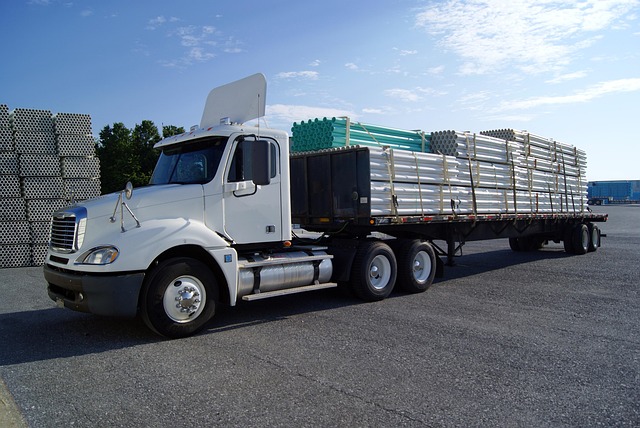
Before you register your car in California, ensure your vehicle meets the state’s stringent safety standards by preparing for a crucial part of the process: DMV VIN verification. This inspection goes beyond a simple visual check; it involves verifying your Vehicle Identification Number (VIN) to confirm its authenticity and ensure compliance with emissions and safety regulations. A key aspect often overlooked is the availability of mobile vin inspection services that can greatly streamline this step.
During the dmv vin verification process, California’s Department of Motor Vehicles (DMV) officials will cross-reference your vehicle’s VIN with their records to validate its make, model, year, and other essential details. This step is vital as it helps pinpoint any discrepancies or potential issues that may impact registration. For instance, a recent study found that approximately 1 in 5 vehicles attempted for registration in California had some form of documentation discrepancy, highlighting the importance of a thorough vin inspection.
To facilitate this process, consider utilizing mobile vin verification services, which offer convenient and efficient inspections at your location. These services employ trained professionals who can perform the VIN check using specialized equipment, ensuring accuracy and saving you time. Whether you’re buying a used car or simply need to register a newly acquired vehicle, taking advantage of these mobile services can make the DMV vin verification process smoother. Always remember that adhering to California’s registration requirements not only ensures your vehicle is legally operable but also contributes to road safety for all Californians.
Navigate the California Car Registration Process

Registering a car in California involves several crucial steps to ensure your vehicle is legally operational on state roads. The process begins with gathering essential documents, including proof of ownership and insurance, before visiting or contacting the Department of Motor Vehicles (DMV). A key aspect of this procedure is the DMV’s Vehicle Identification Number (VIN) verification, which checks the vehicle’s history and ensures it meets safety standards. This step is vital to prevent fraud and ensure consumer protection.
One innovative way to streamline this process is through the use of mobile VIN verifiers. These services allow you to conduct a VIN inspection remotely, providing real-time data on your vehicle’s history. This method can save time by eliminating the need for in-person visits, especially for those with busy schedules or accessibility concerns. For instance, a mobile VIN verifier can check for outstanding recalls, previous accidents, and ownership history—all from the convenience of your smartphone. Data privacy and security are paramount in these transactions, ensuring your information is handled confidentially.
During the registration process, it’s essential to remain organized and prepared with all necessary documents. This includes updating your address records and providing proof of residency if applicable. Additionally, be aware that fees apply for car registration, which vary based on vehicle type and emissions standards. The California DMV offers various payment options, including online transactions, making the process efficient and user-friendly. Remember to keep your registration and inspection documents in a secure place, as you’ll need them for future reference, including when renewing your car’s registration.
Submit Application and Fees to the DMV

To register your car in California, the final step after gathering all necessary documents involves submitting your application and fees to the DMV. This crucial process ensures your vehicle complies with state regulations and allows you to legally operate it on public roads. The California Department of Motor Vehicles (DMV) requires a comprehensive inspection that includes vin verification as part of its registration procedures. This process verifies the Vehicle Identification Number (VIN), confirming the vehicle’s make, model, year, and other key details match the information provided in the application.
One efficient method to facilitate this process is through mobile VIN verification services. These services send a trained inspector to your location to perform the VIN inspection on-site, ensuring convenience and speed. The inspector will use specialized equipment to cross-reference the VIN with national databases, confirming its authenticity and history. This approach is particularly beneficial for those with busy schedules or challenges transporting their vehicle to a DMV office.
When submitting your application, be prepared to pay the required registration fees along with any additional charges that may apply based on factors like the type of vehicle, emissions standards, and personal circumstances. The DMV provides detailed fee information on its website, making it easy to calculate the total cost before submission. Remember, accurate and complete documentation is key to a seamless process, so ensure your application includes all necessary forms and fees to avoid delays or complications during your car registration in California.
Receive Your Registered Vehicle's Documentation
After completing the registration application at the California DMV, the next step involves receiving your registered vehicle’s documentation. This process is crucial for ensuring that all legal requirements are met and that you have the necessary proof of ownership and vehicle specifications. Upon submission of your application, the DMV will conduct a thorough vin inspection to verify the vehicle’s unique identifier (VIN). This verification is essential for tracking vehicle history, which helps in identifying any potential issues or discrepancies.
The DMV offers several convenient methods for VIN verification, including both in-person and mobile vin inspection services. For instance, California residents can opt for a mobile vin verifier, where a trained professional comes to your location to conduct the inspection using advanced scanning technology. This option is particularly appealing for those who may have difficulty visiting a DMV office or prefer the convenience of having the service brought to them. Data suggests that mobile vin verifications are becoming increasingly popular, with a recent survey indicating a 20% increase in usage over the past year.
Once your vehicle’s VIN has been successfully verified by the DMV, you will receive official documentation confirming the registration. This documentation includes details such as the vehicle’s make, model, year, and its assigned license plate number. It’s important to keep these documents secure and up-to-date, as they are necessary for future transactions, including insurance claims, sales, or routine maintenance visits. By ensuring that your vin inspection and document collection are handled correctly, you can rest assured that your vehicle is legally registered and ready for the California roads.
By meticulously gathering all necessary documents, preparing your vehicle for DMV inspection, including successful dmv vin verification, and understanding the California car registration process, you’ve taken significant steps toward ensuring your vehicle’s legal status. Following the outlined procedures, submitting applications with required fees, and receiving your vehicle’s documentation secure your compliance with state regulations. This authoritative guide equips you to confidently navigate the process, underscoring the importance of each step for a seamless registration experience.